
The difference between illustrations that capture your vision and artwork that misses the mark almost always comes down to communication. Authors who struggle with illustration projects rarely lack talent or budget. They lack the language and structure to translate mental images into instructions that an artist can follow. Clear direction saves revision rounds, protects deadlines, and keeps creative relationships positive from first sketch to final page.
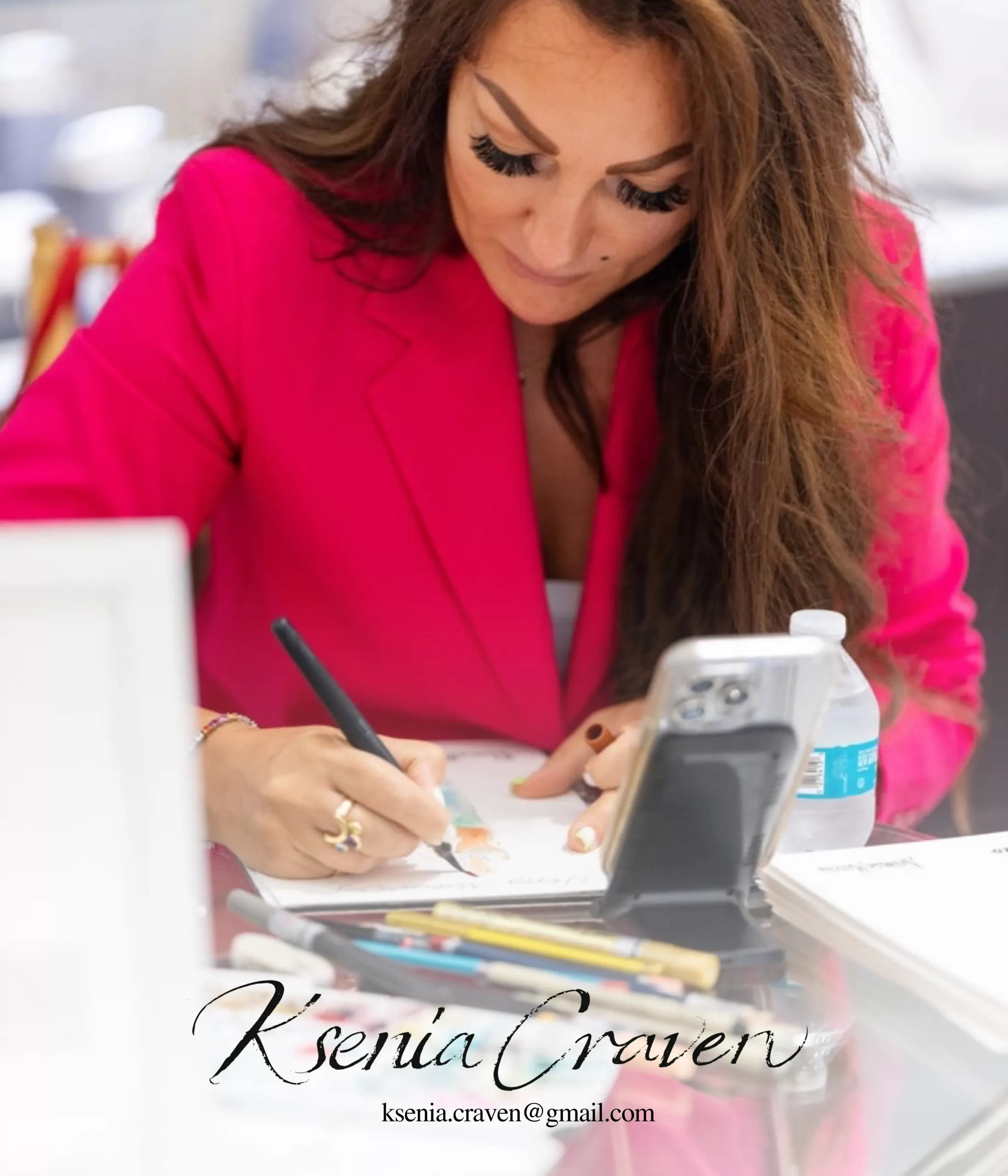
Learning how to give instructions to artists for book illustrations transforms frustrating back-and-forth cycles into smooth collaboration. At Craven Fashion Studio, we’ve illustrated projects for clients including Hermes, Dior, and Harper’s Bazaar, which means we’ve seen every type of brief imaginable. Our experience working with luxury brands taught us exactly what makes author-artist communication succeed.
Start With Story Context, Not Visual Demands
Artists create better work when they understand the emotional core of your book before seeing any visual specifications. Share your manuscript or a detailed synopsis before discussing colors, styles, or compositions because illustrators interpret scenes differently when they grasp character motivations and narrative arcs.
A brief that opens with “draw a forest scene” produces generic results. A brief that explains “the protagonist enters the forest feeling lost after leaving home for the first time, and the trees should feel overwhelming rather than welcoming” gives the artist emotional direction that shapes every creative choice.
What to Include in Your Story Overview
- Character backgrounds: Personality traits, emotional history, and worldview
- Target audience: Age range and book purpose
- Emotional arc: Key beats showing when scenes should feel tense, joyful, or bittersweet
- Thematic elements: Recurring symbols, motifs, or visual threads
Provide Visual References Without Micromanaging
According to a Project Management Institute study, poor communication is the leading cause of project failure in creative collaborations. Reference images communicate faster than paragraphs of description, but how you present them determines whether they help or hinder the creative process.
The Right Way to Use References
Gather five to ten images that capture elements you admire, perhaps the color palette from one book, the character proportions from another, and the texture style from a third. Label each reference with what specifically appeals to you so the artist knows whether you love the overall composition or just the way the illustrator rendered fur.
Avoid sending a single image with instructions to “make it look like this.” Artists interpret that as a request to copy rather than create, which stifles their contribution and produces derivative work.
Strong Reference Packages Include
- Style samples: Two to three examples of illustration styles you admire
- Color inspiration: Palettes demonstrating the mood you want
- Character references: Body types, expressions, or clothing styles that fit your characters
- Setting references: Photos or illustration artwork showing environments similar to your story
- Anti-references: Images labeled “avoid this approach.”
Write Art Notes That Balance Detail and Freedom
Art notes are the brief descriptions accompanying each page or scene, and they require careful calibration. Too vague leaves the illustrator guessing, while too specific removes creative contribution and produces stiff results.
Elements Worth Specifying
- Story-critical objects: Items that become plot points later
- Character continuity: Distinctive features or accessories appearing throughout
- Mood and atmosphere: Terms like “cozy,” “ominous,” or “serene”
- Required actions: What characters must be doing if essential to the narrative
- Text placement needs: Areas where words will appear
Elements Worth Leaving Open
- Composition choices: Camera angles and character placement
- Color variations: Adjustments within your established palette
- Expressive interpretation: How characters physically express emotions
- Environmental details: Background elements not affecting comprehension
- Artistic flourishes: Decorative elements that enhance but don’t alter meaning
Establish Communication Rhythms Early
Decide upfront how often you’ll check in and through which channels. Some author-illustrator pairs prefer weekly video calls, while others work better through annotated digital files with written feedback.
Setting Up Your Workflow
- Communication channels: Email, video calls, or shared folders
- Check-in frequency: Weekly updates or daily during intensive phases
- Approval stages: When you’ll review sketches, refined drawings, and final artwork
- Response times: How quickly both parties should reply
Feedback That Moves Projects Forward
- Be specific: “She should read as seven, not twelve” beats “I don’t like this.”
- Explain the why: Help artists understand the reasoning behind requests
- Separate preferences from problems: Recognize when decisions belong to artistic expertise
- Batch your notes: Send collected feedback rather than scattered comments
- Prioritize requests: Indicate which changes are essential versus nice-to-have
Working across Finland, France, the United Kingdom, Dubai, Canada, and now Miami gave us a perspective on how communication styles vary across cultures and industries. At Craven Fashion Studio, we adapt our collaboration approach to match each client’s working style. This flexibility comes from years of international project experience with authors and publishers worldwide.
Pro Tip: Create a shared digital folder where reference images, art notes, approved sketches, and revision requests live illustration in one organized location. Artists lose time hunting through email threads for comments made weeks ago.
Plan for Revisions Without Dreading Them
Revisions aren’t failures. They’re normal parts of creative collaboration. However, unlimited revision rounds signal brief problems rather than artist problems.
Structuring Your Revision Process
- Define revision rounds: Include specific numbers at each stage in your contract
- Separate sketch and final phases: Major changes belong in the sketch phase
- Address misalignments early: Catch disagreements at the rough sketch stage
- Document approved elements: Avoid revisiting approved character designs or palettes
- Budget time realistically: Even smooth projects need back-and-forth refinement
How detailed should my character descriptions be?
Include physical traits essential to the story, plus personality indicators that affect visual portrayal. Height, approximate age, distinctive features, and emotional disposition matter more than exact eye color unless those details carry narrative weight.
What if the illustrator’s interpretation differs from my vision?
Address misalignments early at the sketch phase when changes cost less time. If fundamental disagreements persist, consider whether your brief needs revision or whether this pairing isn’t the right fit.
Final Thoughts
Knowing how to give instructions to artists for book illustrations comes down to respecting both the story you’ve created and the visual expertise your illustrator brings. The best briefs provide enough direction that artists understand your vision while leaving space for creative interpretation that elevates the final work.
Authors who invest time in thorough briefing documents, organized reference collections, and clear communication rhythms consistently report smoother projects and stronger results. The initial effort pays dividends through fewer revisions, faster timelines, and illustrations that truly serve the story.
Every successful illustration project begins with clear communication between the author and artist. At Craven Fashion Studio, we specialize in animation and book illustrations for clients who want collaborative partners rather than order-takers. Our team generates concepts as well as enhances existing ideas, adapting to your preferred working style throughout the project.
Author Profile