
Most event planners spend weeks choosing linens, lighting, and floral arrangements. Very few dedicate any time to the one thing every guest actually holds in their hands during the event: the menu.
Illustration bar menu design and event visuals are the first physical interaction point between a guest and the experience being offered. Usually, most of the event attendees say hands-on demonstrations and tangible interactions are their preferred format at live events. That preference extends to every printed, illustrated, and designed element a guest encounters, from the invitation they open at home to the menu card they read at the table.
What separates a forgettable event from one guests talk about for months often comes down to how thoughtfully the visual details were crafted. Here is what elite event and menu design actually looks like and how custom illustration elevates both.
Why Visual Design Drives the Guest Experience
Live event illustration serves as communication long before it serves as decoration, because every visual element tells the guest what kind of experience they are walking into. Impressions follow a predictable sequence at any event:
- Invitation or announcement: Sets expectations before arrival
- Signage and wayfinding: Establishes the visual language of the space
- Table setting and printed materials: Creates the closest physical connection
- Menu card or program: Holds guest attention longer than any other printed surface
Each of these is a design opportunity. A consistent visual identity created by the same artistic hand makes the entire event feel intentional. Mismatched or generic elements break that continuity and make the experience feel assembled rather than designed.
How Custom Illustration Transforms Menu Design
A printed menu is not just a list of dishes. It is the one item every seated guest reads word by word and holds for the duration of a course, making it the highest-attention design surface at any dining event.
What Separates a Standard Menu From an Illustrated One
| Element | Standard Menu | Custom Illustrated Menu |
| Typography | Pre-selected fonts from a template | Hand-lettered or custom calligraphy matched to event theme |
| Imagery | Stock graphics or none | Original watercolor or ink illustrations of key ingredients, venue, or motifs |
| Paper and format | Standard cardstock | Premium paper selected for texture, weight, and how it complements the artwork |
| Guest reaction | Read and set aside | Kept as a keepsake, photographed, and shared on social media |
Where Illustrated Menus Make the Biggest Impact
Custom illustrated menus deliver the most value at events where dining is a central part of the program:
- Luxury weddings where the menu reflects the couple’s story and style
- Corporate galas where branding needs to extend to every printed surface
- Restaurant launches where the menu is the product being introduced
- Charity events where the menu card doubles as a collectible or auction item
- Brand activations where every touchpoint reinforces the campaign identity
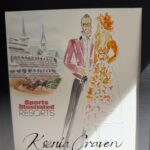
Craven Fashion Studio designs illustrated menus, event programs, and printed materials for luxury events across the US and Caribbean. Each piece is created by hand using watercolor, ink, or mixed media and matched to the event’s visual identity from invitation through table setting.
5 Event Design Strategies That Go Beyond Decoration
Strong event designs do not start with color palettes or centerpieces. They start with a single visual concept that flows through every element the guest encounters. Custom illustration ties those elements together into a cohesive experience.
Strategy 1: Build a Visual Thread From Invitation to Table
An invitation sets a visual promise that the event itself needs to deliver on. Carrying the same illustration style, color language, and artistic tone from the first piece of mail through the last printed surface at the table creates continuity that the guest experiences without consciously noticing it.
Here is how the visual thread builds across a typical luxury event:
| Touchpoint | Design Role | What Illustration Adds |
| Invitation | Sets the visual promise before arrival | Original illustrated elements establish the artistic tone |
| Welcome signage | Confirms the guest is in the right place visually | Carries the same hand-drawn style into the physical space |
| Table numbers and place cards | Connects the guest to their seat | Matching illustration makes even small items feel curated |
| Menu card | Highest-attention printed surface | Extends the invitation’s artwork into the dining experience |
| Favor tags or thank-you cards | Closes the visual loop | Gives the guest a final piece that ties back to the beginning |
An event succeeds visually when a guest can place the invitation next to the menu card and see the same artistic identity running through both.
Strategy 2: Use Live Illustration as Real-Time Event Design
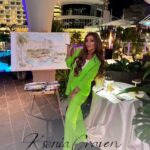
Live event illustration produces design elements while the event is happening. An illustrator working on-site captures the venue, the guests, and the atmosphere in real time. That artwork becomes part of the experience rather than something created before the doors opened.
95% of event organizers say incorporating experiential elements is important for engagement. Live illustration is one of the few experiential additions that produces a physical, original takeaway the guest keeps long after the evening ends.
What Live Illustration Looks Like at Different Event Types
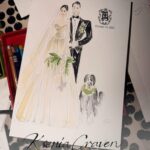
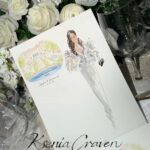
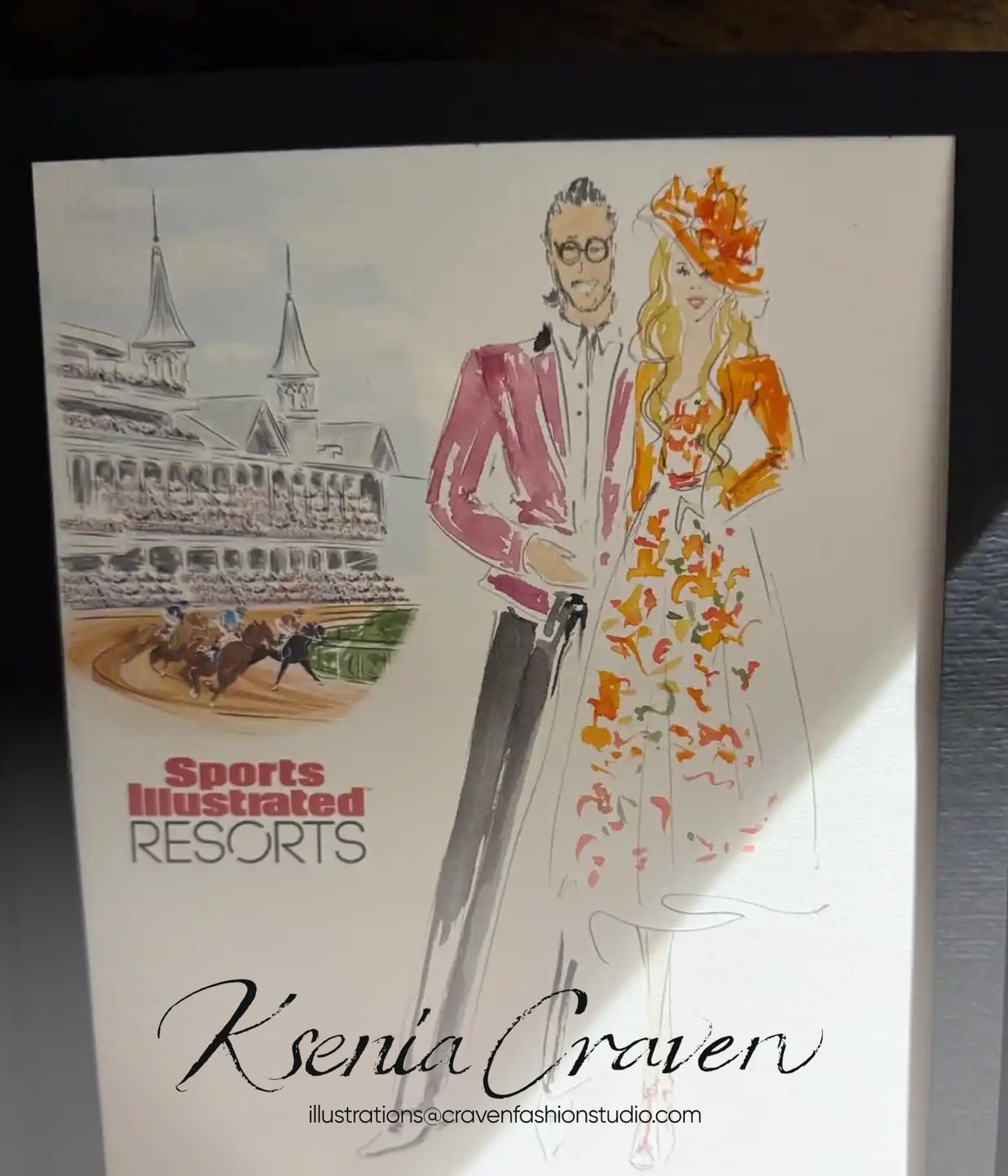
- Luxury wedding: An illustrator creates personalized fashion sketches of guests in their formal attire. Each portrait is hand-drawn and given directly to the guest as a framed keepsake.
- Corporate gala: Branded sketches tie the artwork to the company’s visual identity. Marketing teams repurpose those illustrations as social media content for months after the event.
- Brand activation: Guests interact directly with the artist and watch their portrait take shape in real time. They leave with a one-of-a-kind piece that carries the brand’s identity in a format far more personal than any printed flyer.
Strategy 3: Design the Menu as a Collectible
Effective luxury menus are designed with the intention that guests will keep them. This shifts the approach from functional to artistic, turning the menu into a piece of original artwork that happens to list the evening’s courses.
Five elements that make a menu worth keeping:
- Hand-illustrated artwork that no printer can replicate on its own
- Premium paper stock that feels substantial and textured in the hand
- Custom calligraphy for course titles and dish descriptions
- Illustrations of key ingredients, the venue, or the event’s signature motif
- A composition that stands on its own as a framed piece without needing the context of the event
A simple test separates successful menu design from standard printing. If a guest would consider framing the menu rather than leaving it on the table, the design has done its job. Standard printed menus never pass that test. Illustrated ones regularly do.
Strategy 4: Create Layered Design Elements for Multi-Course Dining
A multi-course meal gives the designer multiple opportunities to introduce new visual elements as the evening progresses. Instead of presenting one menu card at the start, each course is accompanied by its own illustrated card that reveals the next chapter of the dining experience.
How it works:
A guest sits down at an empty charger plate and a single illustrated welcome card. As the first course arrives, a new card is placed at the setting with an illustration related to the dish’s origin or ingredients. Each subsequent course brings another card. By the end of the meal, the guest has collected a full series that tells the visual story of the entire evening.
This approach transforms a static menu into a progressive reveal. Guests build anticipation for each course because the design unfolds alongside the dining experience rather than presenting everything upfront. It works particularly well at tasting menus, wine pairing dinners, and chef’s table events where pacing is part of the program.
Strategy 5: Design Interactive Illustration Stations for Guest Participation
Instead of limiting artwork to paper and walls, an interactive station invites guests to become part of the creative process. Illustration shifts from something observed into something personally experienced and taken home.
How It Differs From Standard Event Entertainment
| Feature | Photo Booth | Interactive Illustration Station |
| Output | Printed photo strip | Hand-drawn watercolor or ink portrait |
| Lifespan | Discarded within days | Framed and displayed for years |
| Guest involvement | Pose for a camera | Sit with an artist, watch the portrait being created |
| Brand connection | Generic branded backdrop | Artwork carries brand identity in the illustration style |
| Perceived value | Low, mass-produced feel | High, one-of-a-kind original artwork |
Interactive stations adapt to each event’s specific purpose. At a fragrance launch, the artist engraves bottles or paints custom labels. Fashion events feature personalized sketches of guests in their outfits. Wedding receptions include illustrated group portraits for each table. Craven Fashion Studio has operated interactive illustration stations at over 1,000 events for brands including Dior, Chanel, BVLGARI, Hermès, Cartier, Louis Vuitton, etc.
Extending Illustrated Design Beyond the Venue
Event design does not stop at the venue walls. For restaurants, hotels, and brands running promotional events, the illustrated identity needs to carry into external-facing materials as well.
Where illustrated event design extends:
- Billboard and outdoor advertising for restaurant openings or seasonal menus
- Social media assets created from the same illustrated elements
- Print flyers and promotional materials for upcoming events
- Window displays and storefront signage
- Digital invitations that translate the hand-illustrated style to screen
Consistent illustration across both on-site and off-site materials reinforces the event identity everywhere the audience encounters it. A guest who sees the illustrated billboard, opens the illustrated invitation, and sits down to an illustrated menu card experiences a brand story that builds at every point of contact.
Event Types That Benefit Most From Custom Illustrated Design
| Event Type | Primary Design Need | How Illustration Elevates It |
| Luxury weddings | Cohesive visual identity across all printed materials | Hand-painted menus, escort cards, and programs reflecting the couple’s aesthetic |
| Corporate galas | Brand consistency from invitation to venue | Illustrated elements carrying brand colors without looking like advertising |
| Restaurant launches | Menu as the hero of the event | Original illustrated menus, guests, photographs, and share |
| Brand activations | Interactive guest engagement | Live sketching stations where guests receive personalized artwork |
| Charity galas | Memorable keepsakes reinforcing the cause | Illustrated programs and table cards designed too beautifully to discard |
| Fashion events | Visual storytelling matching the aesthetic | Fashion illustration capturing the collection’s spirit across all printed materials |
What to Look For in an Event Illustration Partner
Not every illustrator understands event design. The skill set required goes beyond drawing ability and into spatial design, brand consistency, material selection, and how printed elements function within a live environment.
Questions Worth Asking
- Can you create a cohesive visual identity across multiple printed pieces, not just a single illustration?
- Do you have experience with luxury event materials, including menus, programs, and signage?
- What media do you work in, and how does that translate to print production?
- Can you provide live illustration services at the event itself?
- How do you collaborate with event planners, florists, and venue designers to maintain visual consistency?
Red Flags
- A portfolio showing only standalone illustrations without event context
- No experience with print production, paper selection, or finishing techniques
- Inability to work within an existing brand or event color palette
- No references from event planners, venues, or hospitality clients
Frequently Asked Questions
How far in advance should illustrated event materials be commissioned?
For a full suite including invitations, menus, programs, and signage, commissioning six to eight weeks before the event allows time for concept development, revisions, and print production. Live illustration services can be booked closer to the event date.
Can illustrated menus work for large events with hundreds of guests?
Yes, the original illustration is created once and reproduced through high-quality printing. Each guest receives a printed version retaining the hand-drawn quality of the original. For ultra-premium events, limited quantities can be hand-finished with individual touches.
What illustration styles work best for event and menu design?
Watercolor, ink, and mixed media translate particularly well to printed event materials because they retain their handmade quality in reproduction. The best style depends on the event’s overall aesthetic, from minimalist line work for modern settings to rich watercolor for classical ones.
Final Thoughts
Event and menu design is not about making things look attractive. It is about creating a visual experience that begins with the invitation and carries through every surface the guest touches, reads, and holds. Custom illustration gives that experience a unified identity that templates and stock graphics cannot deliver.
Guests remember events where the invitation, the signage, the menu card, and the live artwork all felt like they came from the same creative vision. That visual consistency is what turns an evening into an experience worth talking about.
Craven Fashion Studio has spent 17 years creating that level of visual craftsmanship across the US and Caribbean. Our client list includes Dior, Hermes, Piaget, and Bloomingdale’s alongside luxury weddings, corporate galas, and brand activations of every scale.
Visit our website or call +1 (332) 209-7247 to bring original illustration into your next event.
Author Profile